VEDANTA

Science of Consciousness

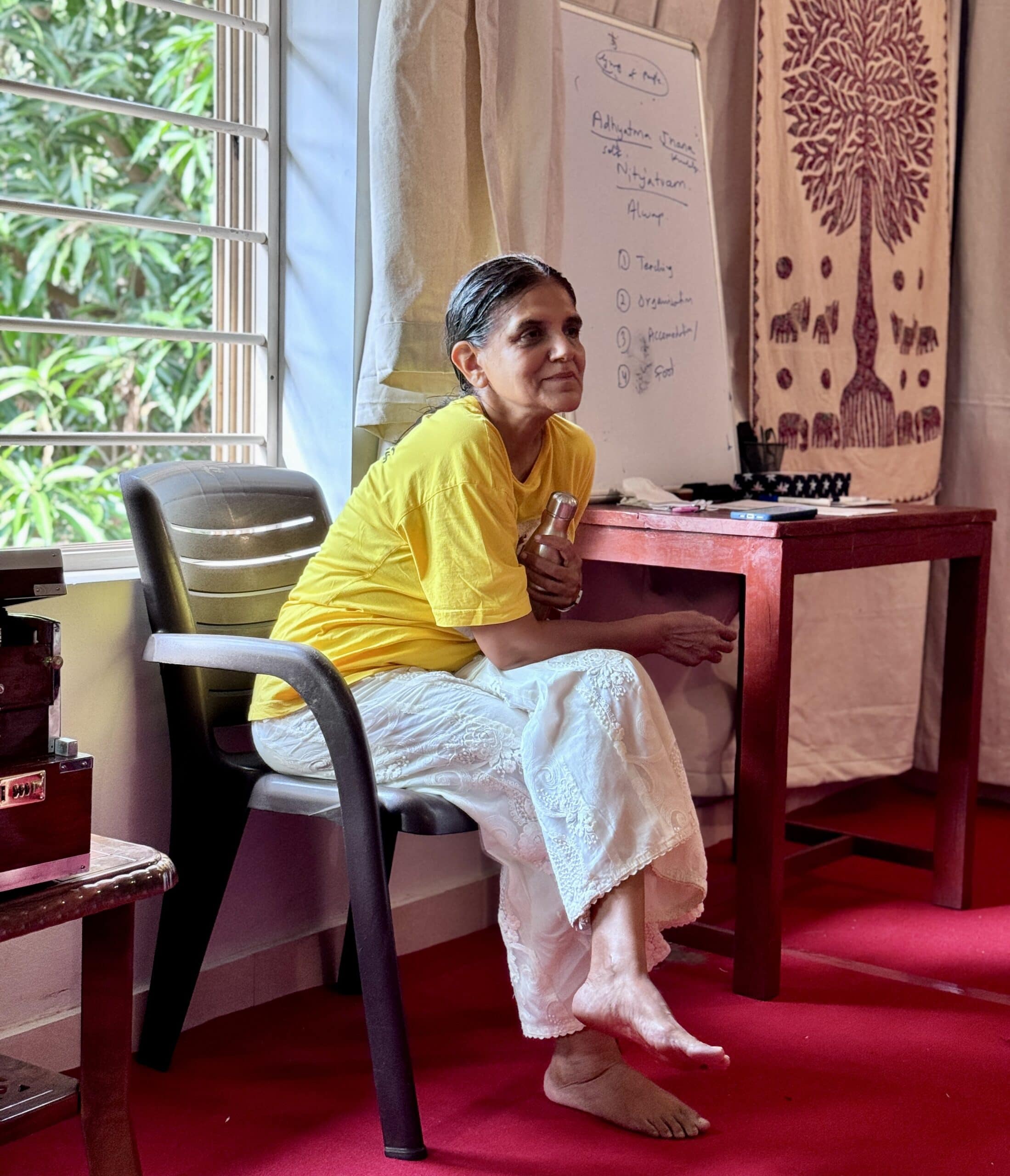
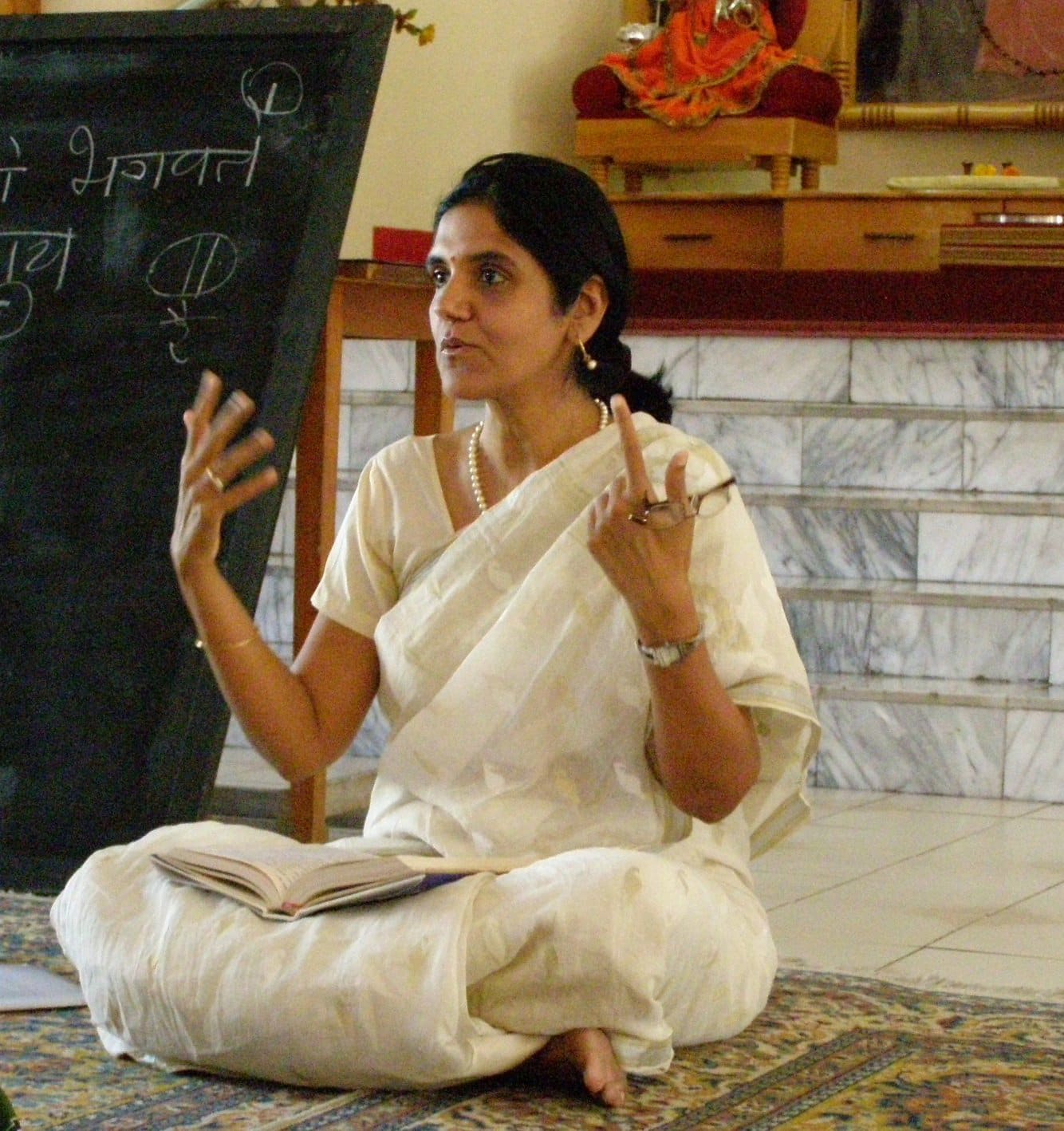
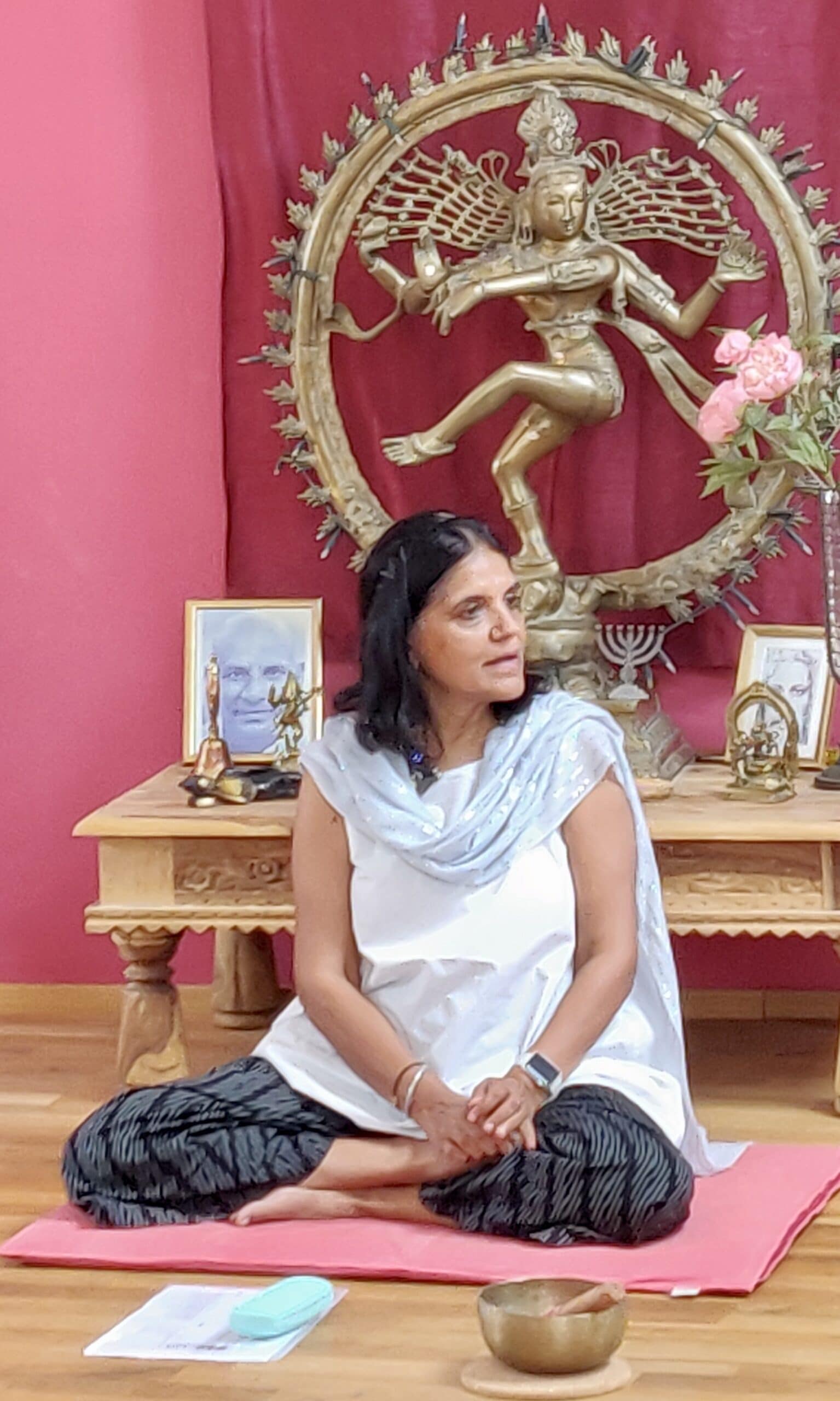
See, listen and read along, seminar with Neema in India, January 2024

The 20 Values from the Bhagavad Gita

See, listen and read along
Seminar with Neema

26 Videos

January 2024
This audio series is recorded during the seminar with Neema Majmudar in Thonse (Karnataka, India)
The recordings are subtitled in English. 26 sessions of about an hour were recorded. The subtitles are as accurate as possible of the texts spoken by Neema.

Knowledge of the “Value of Values” mentioned in the Bhagavad Gita, chapter 13, is important because they provide essential guidelines for personal development and spiritual growth. It helps people to live a more balanced and harmonious life. This is necessary in preparation for Moksha.

Subtitles
You can also read the subtitles in your own language. In Settings (the gear), go to subtitles and choose automatic translation in your own language. This is based on the English version. We use AI to convert speech to text, which works surprisingly well. The text was then checked to reflect the Sanskrit terms correctly as much as possible.

Book and extract
In the study group in Arnhem we are currently discussing the “Value of Values“, the book written by Swami Dayananda.
Harrie de Kruijff, participant of our study group, has made a helpful excerpt, based on Neema’s lectures, which you can download here. And here’s the English version.

Website Neema: discovervedanta.co

The 20 values

  1. Amānitvam, Absence of Self-Righteousness
  2. Adambhitvam, absence of pretense
  3. Ahimsā, do not hurt
  4. Kṣāntiḥ, joyful acceptance
  5. Ārjavam, righteousness
  6. Ācāryopāsanam, relationship with the teacher
  7. Śaucam, inner and outer purity
  8. Sthairyam, fortitude
  9. Ātmavinigrahaḥ, mastery of the mind
  10. Indriyārtheṣu Vairāgyam, Dispassion for Sensory Objects
  11. Anahañkāraḥ, absence of selfishness
  12. Janma Mṛtyu Jarā Vyādhi Duḥkha Darśanam, Reflecting on the Limitations of Birth, Death, Old Age, Illness and Pain
  13. Asaktiḥ, absence of a sense of ownership
  14. Anabhiṣvaṅgaḥ Putra Dāra Gṛhādiṣu, absence of obsession with children, partner, home, etcetera
  15. Nityam Samacittatvam Iṣṭa Aniṣṭa Upapattiṣu, constant equanimity toward desirable and undesirable outcomes
  16. Mayi Ananya Yogena Bhaktiḥ Avyabhicāriṇī, unwavering devotion to the Self, characterized by not being separate from the Self
  17. Viviktadeśasevitvam, preference for a secluded place
  18. Aratiḥ Janasamsadi, absence of desire for social interaction
  19. Tattva Jñānārtha Darśanam, Commitment to Self-Knowledge
  20. Adhyātma Jñāna Nityatvam, Understanding the Ultimate Validity of Self-Knowledge
Study group Arnhem. From left to right: Paksha, Modita and Harrie. Photo: Otto

Give a comment or ask a question

Your email address will not be published. Required fields are marked *

Delen op Facebook

Sign up for the newsletter
(published at most a few times a year)

Previously published newsletters
– October 2024 (
English
– October 2024 (English)