VEDANTA

Science of Consciousness

Vedanta Summer Week 2024, videos with exact subtitles

Vedanta Retreat with Andre Vas

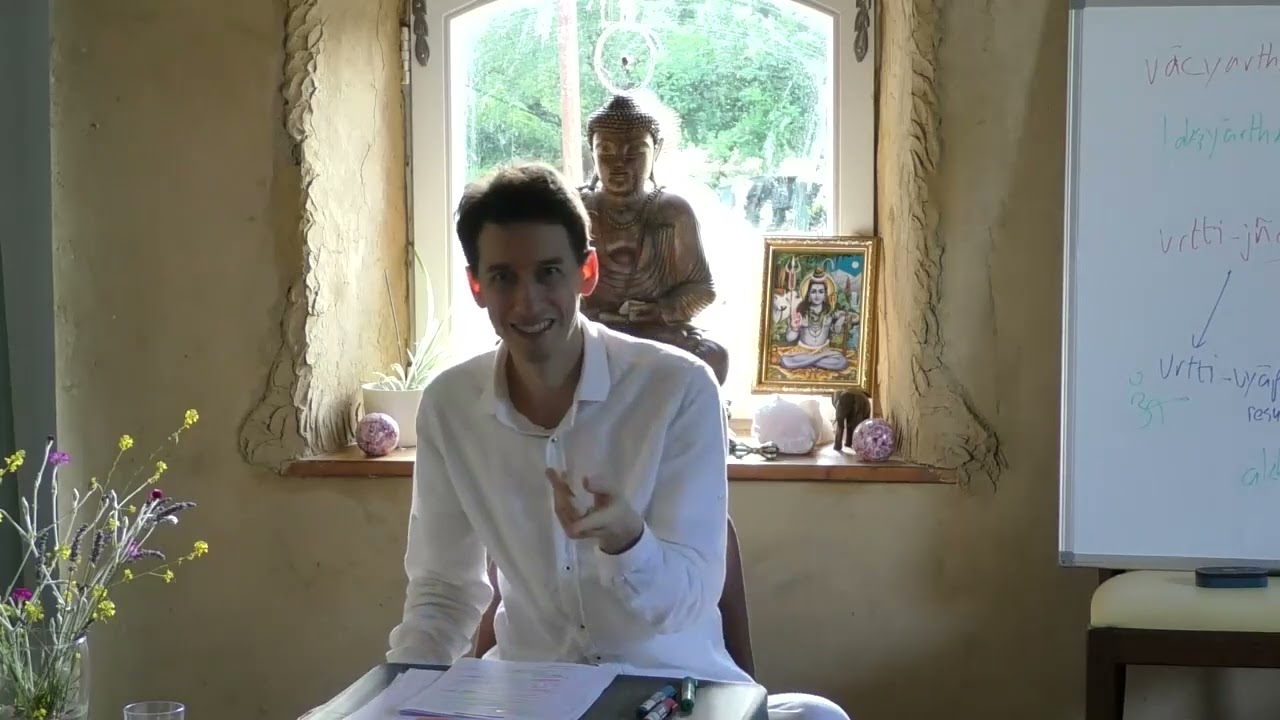
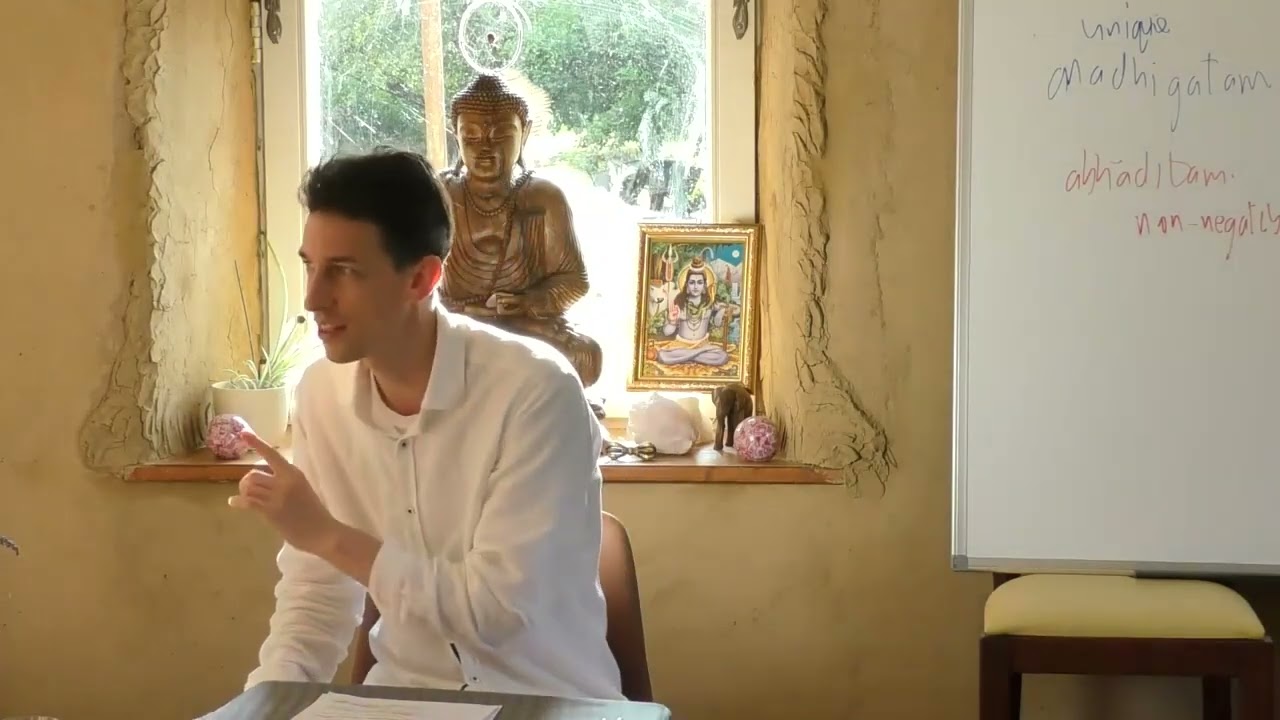
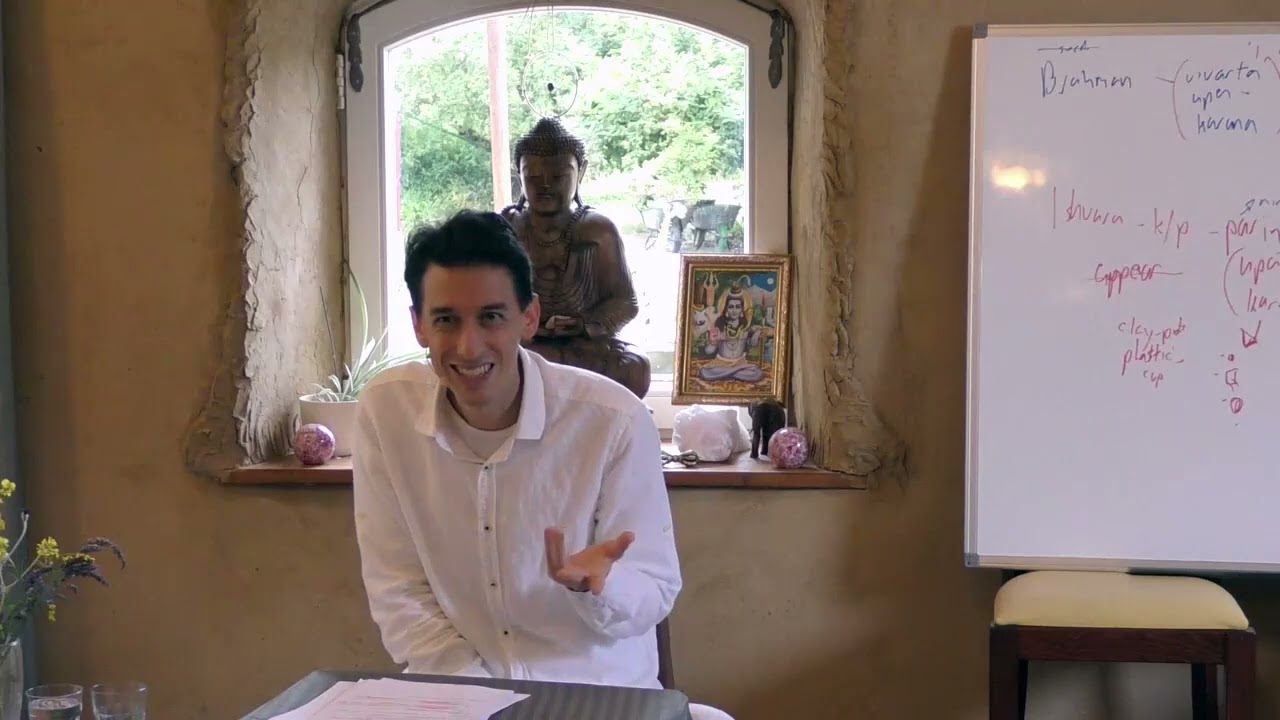
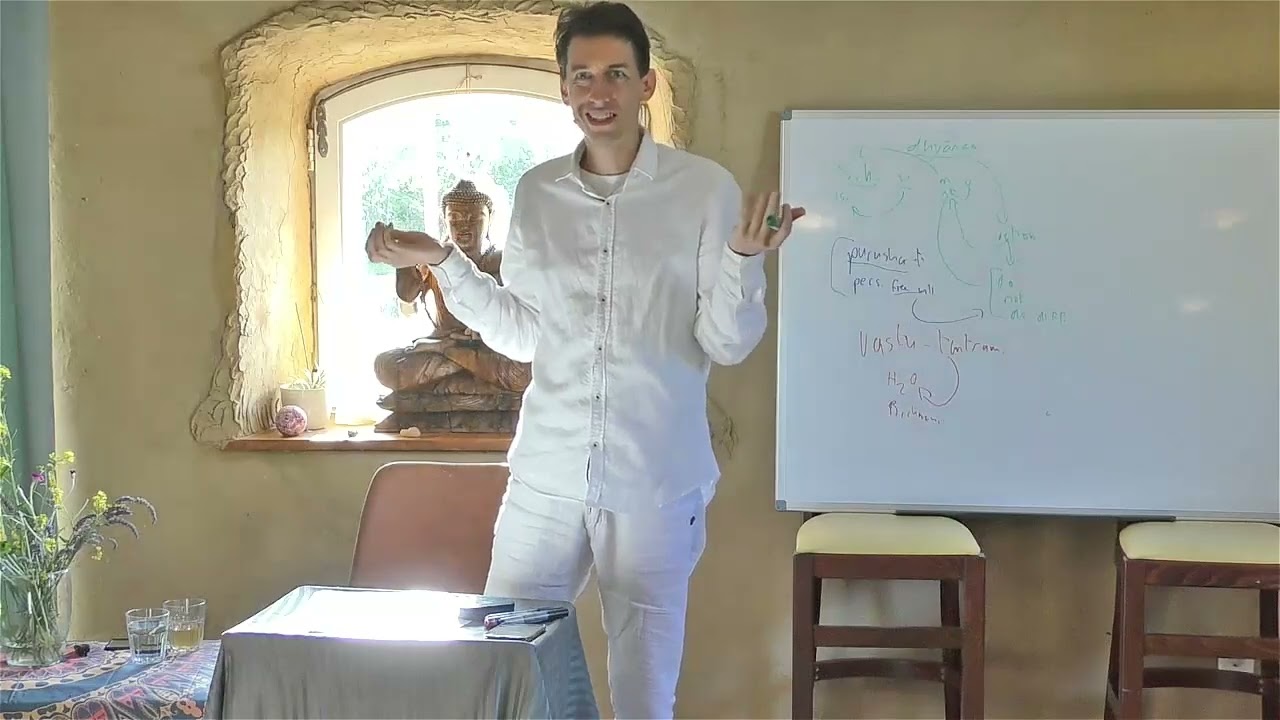
The 7-day Intensive Vedanta Retreat, from 8 to 14 July 2024, took place at the Vlierhof, an eco-community just across the border with Germany near Nijmegen. Below you will find the videos (with subtitles) that were recorded during the seminar. The two series about the Kena Upanishad and the Bhagavad Gita, chapter 6, belong together.

Subtitles
The subtitles for the video recordings were checked and corrected with AI after transcription by a team consisting of retreat participants. This allows you to read along with a correct representation of the spoken words while watching.
And if you just want to read the texts, you can find the transcripts here.

Kena Upanishad
Seminar with Andre Vas

18 Videos

Bhagavad Gita, about meditation
Seminar with Andre Vas
6 Videos

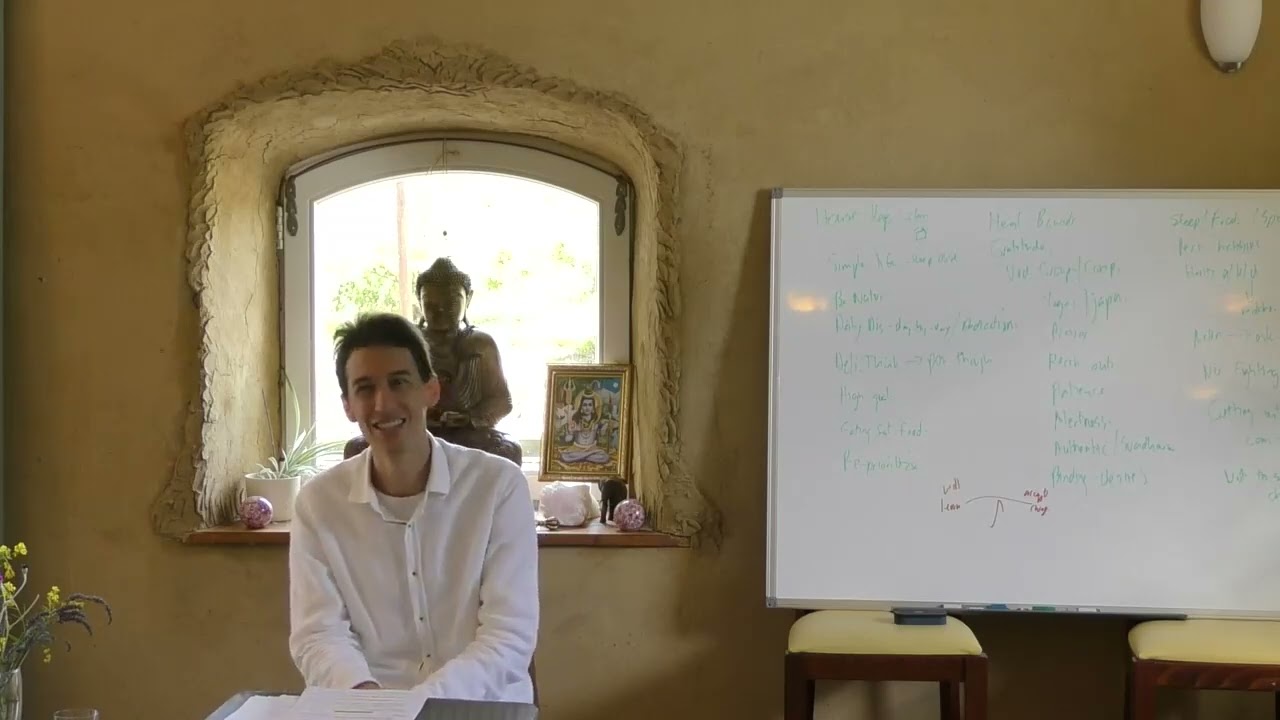
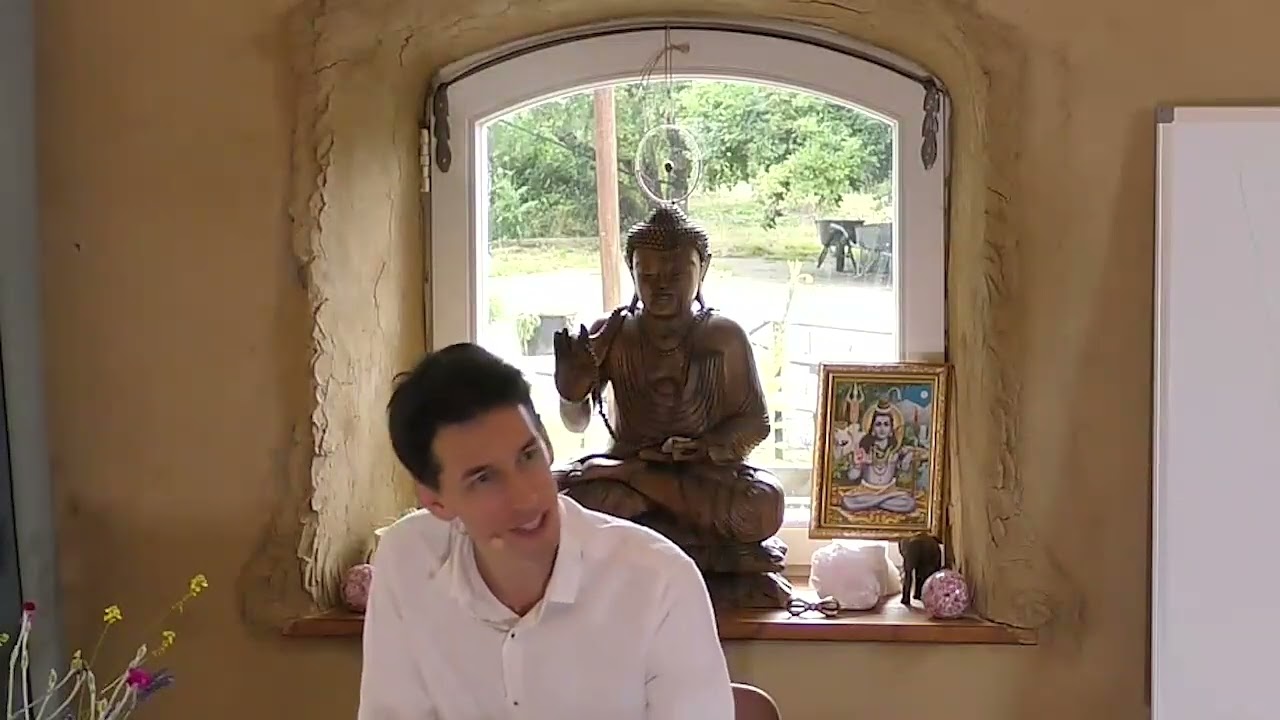
Andre lives in Australia and says the following about himself: “Shortly after I reached financial freedom in my mid-twenties, I felt uneasy about the impermanence of financial security, friendship, the world around me and self-help. ” How can more of all this make a difference and for whom?” became the spontaneous protest of the spirit. The nature of the questions eventually shifted to the topic of “I”, who or what am I really?

An inner urge brought me to Arunachala in India to pay homage to Ramana Maharshi. Nearby was a 25-day seminar in which the essence of the Bhagavad Gita was explained by James Swartz. Upon completion of that program, I spent the next year self-examining in the light of Vedanta teachings. I had no proof that Vedanta was better than alternative methods. But the understanding of the glorious intelligence that connects you and me, that guides us even now, the essence of all that is, grew firmly and clearly. This vision was further refined by brilliant courses at the Chinmaya International Foundation (Kerala, India) for the next 2 years. At the same time, I met Neema Majmudar (student of Swami Dayananda Saraswati, Arsha Vidya) in Rishikesh. Her style further clarified the direct meaning of Advaita Vedanta. In addition to teaching Vedic wisdom and Sanskrit, which I studied for 2 years at the Australian National University, I research areas of biological sciences and cosmology in my spare time.”

Website: www.yesvedanta.com
Youtube channel: youtube.com/c/YesVedanta

Kena Upanishad & Bhagavad Gita, Chapter 6 (Meditation)

You will share this retreat with a small group of people who, like you, are interested in learning more about yourself. This retreat in a natural environment offers a unique opportunity to gain new perspectives, cultivate inner peace, and change your outlook on life.

The program consists of studying the following texts:

1. The Kena Upanishad begins with a direct and profound question: “By whom or in whose presence are we able to think, speak, breathe, see and hear?” The teacher answers this seemingly unanswerable question with astonishing clarity and allows his students to see clearly the nature of themselves. The teachings take the form of both a dialogue and a compelling story about Lord Indra’s search for the truth. Through this wisdom, we begin to awaken to our true nature as the infinite, eternal Consciousness that animates all life. This leads us to the end of suffering and the discovery of one’s permanent freedom from the feeling of smallness.

2. In chapter 6 of the Bhagavad Gita , Lord Krishna unfolds to Arjuna the importance of meditation in transforming our vision of life and recognizing our connection to the universe. The practice of meditation helps us to develop our talents and skills and to contribute to the well-being of ourselves and others and in the process of freeing ourselves from our suffering.

Andre Vas guides us systematically and carefully through the texts so that our understanding is in line with what is meant to convey. The lessons are based on Swami Dayananda’s lineage.

There are 4 sessions per day (2 in the morning, 1 in the afternoon and evening) of 1 hour each, to integrate wisdom more deeply in the midst of like-minded friends.

Kena Upanishad

download Sanskrit Dictionary Vlierhof 2024.pdf (English)

download Sanskrit Lexicon Vlierhof 2024.pdf (English)

Dear fellow Vedantins,

For my pleasure and deepening of knowledge, I have written the above essays in which I explain Sanskrit terms that Andre used in the Kena & Gita Ch. 6 seminar. I would like to share them with you. I heard that some people had trouble understanding the terms used. Since I had already written a lot of material, I thought, by the grace of Ishvara, I’ll take on this project.

I hope it comes in handy for you, but this is not meant to be education. The teacher does this, attuned to the context of the right time, place and listener. It gave me the freedom of pen to go to the limits of my finesse. It is also important to keep precise Vedanta alive. I hope to contribute a little bit to this in the tradition.

Furthermore, this detailed writing was great manana (reflection), and even nididhyāsana for me, because it evoked a deep focus on the truth of myself. It helped me a lot to sharpen my knowledge of Sanskrit terms and deepen my understanding. Especially since ignorance can manifest itself in so many difficult ways.

So it was a great pleasure to juggle these terms, to let them play in the fleeting worlds of the intellect and to discover meaning and knowledge. I tried to make a combination of technical details and clarity. Refining the apparent reality is fun.

Sources are of course Andre and other swamis and vedanta sources. So of course I want to express my gratitude to Andre, as one of the revealers of the knowledge of Ishvara, for the explanation of crucial insights.

Last year in the Tattva Bodh teachings it was specifically about my understanding of the connection Cit Maya Isvara.
This year, it reconciled my understanding of Ishvara as all knowledge and power, viksepa (projecting) and avarana (hiding). Especially why I am whole and fully conscious, and in the meantime seemingly only experience the tube of karma of one specific life. So how and why there is the link between the individual (vyaṣṭi) and the total (samaṣṭi) Ishvara.

For me, Andre way of teaching is a combination of accessibility and challenging details.

I’m sure there will be typos or spelling errors, content errors or missing terms. Please be so kind as to write to me if you find any.

I wrote the essays in Dutch (my native language), and used AI translations for English, which I later edited as precisely as possible.

Love
Simon

Reader comments on Simon's Sanskrit dictionary
Dear Simon,
What a wonderful job you have done, CHAPEAU!!
Of course I haven't been able to read it all the way through yet, but I'm going to have it printed: 194 pages. The quantity alone is worth it. And then the content: what I can see of it is this sublime!

I am so enthusiastic that I have already shared this with some fellow students, with whom you probably will not have any contact. This is not an objection, I assume?All rights and credits are and will remain yours (Ishvara first, of course😉) and it is for personal use only.
Browse further and then come back to you with more well-founded feedback. If you appreciate it.But so far thank you very much and a deep bow.
Warm greetings and if Ishvara wants it, we will see each other again next summer.
John Verhoeckx
 
Your comment can be found here.
Email: redactie@vedanta.nl

Give a comment or ask a question

Your email address will not be published. Required fields are marked *

Delen op Facebook

Sign up for the newsletter
(published at most a few times a year)

Previously published newsletters
– October 2024 (
English
– October 2024 (English)